
MSM NEWS: Coup in Guinea-Bissau leads to suspension by the UN Security Council and African Union
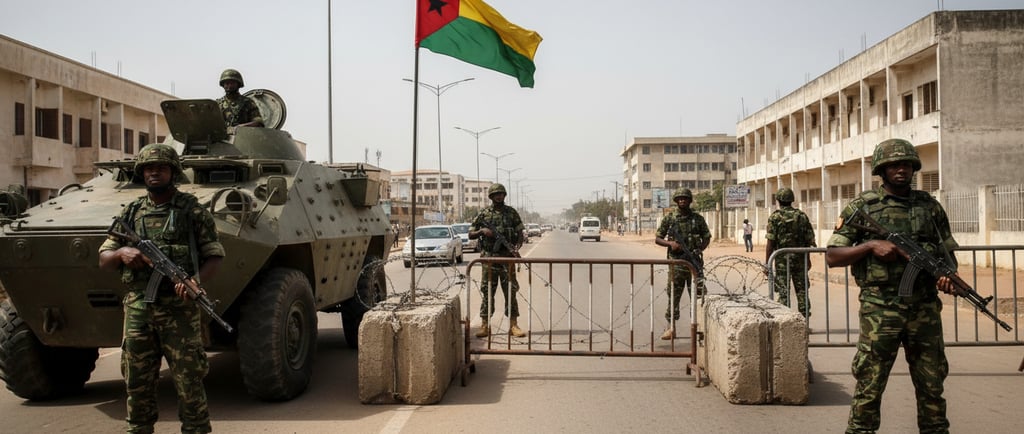
Following a military coup that overthrew elected authorities in Guinea-Bissau, the African Union suspended the country and the UN condemned the breakdown of constitutional order, calling for the immediate restoration of the legitimate government. The situation exacerbates instability in the region, already marked by other coups in West Africa.
12/1/20252 min read
Introduction
The recent military coup in Guinea-Bissau has led to significant consequences, both locally and on the international stage. Following the overthrow of the elected government, key international bodies have reacted vigorously, leading to the suspension of Guinea-Bissau from the African Union. Furthermore, the United Nations Security Council has expressed grave concern regarding the breakdown of constitutional order, calling for the immediate restoration of legitimate governance. This event is not only a setback for Guinea-Bissau but also contributes to the broader trend of instability that has become alarmingly prevalent in the West African region.
International Reactions: The African Union and UN Security Council
In the wake of the coup, the African Union promptly suspended Guinea-Bissau, reflecting its commitment to uphold democratic governance in the continent. This suspension serves as a warning to other nations against similar actions that undermine democratic institutions. Meanwhile, the UN Security Council condemned the military takeover, labeling it a serious violation of the principles of democracy and stability that the organization strives to promote worldwide. The call for the restoration of the legitimate government is a direct message that international entities stand united in their commitment to democracy.
The Broader Context: Regional Instability in West Africa
This case of Guinea-Bissau is particularly troubling because it is part of a broader pattern of instability that has marked West Africa in recent years. Several countries in the region have experienced military coups, resulting in weakened governance structures and increased violence. The coup in Guinea-Bissau exacerbates this already precarious situation, as it may inspire other factions and groups within neighboring nations to attempt similar actions. The alarming trend raises questions about the future of democracy in West Africa and emphasizes the need for concerted efforts to foster stability and democratic resilience.
As the international community continues to monitor the situation, it is critical for leaders in West Africa to reaffirm their commitment to democratic norms. Restoring constitutional order in Guinea-Bissau is not just about addressing the immediate aftermath of the coup; it is about setting a precedent for the region. A rejection of military takeovers and a reinvigorated commitment to democratic values will be vital in curbing the surge of instability and ensuring that the principles of governance are respected.
In conclusion, the military coup in Guinea-Bissau and its subsequent international repercussions reflect a disturbing trend in West Africa. The suspension from the African Union and condemnation by the UN Security Council highlight the importance of restoring legitimacy to the affected government. Without decisive action and commitment from regional leaders and the international community, the threat of further instability looms large, threatening the foundations of democracy across the region.
MSM News
Follow news and analysis accurately.
All rights reserved MSM News © 2025.