
MSM NEWS: Millions in Asia Forced to Migrate Due to Lack of Jobs and Basic Services Summary:
According to the UN human rights office, high inflation, weak labor markets, and reduced access to health and education are pushing millions of people in South and Southeast Asia onto risky migration routes. Many end up in precarious jobs, without labor protections or access to essential services in their destination countries.
12/1/20252 min read
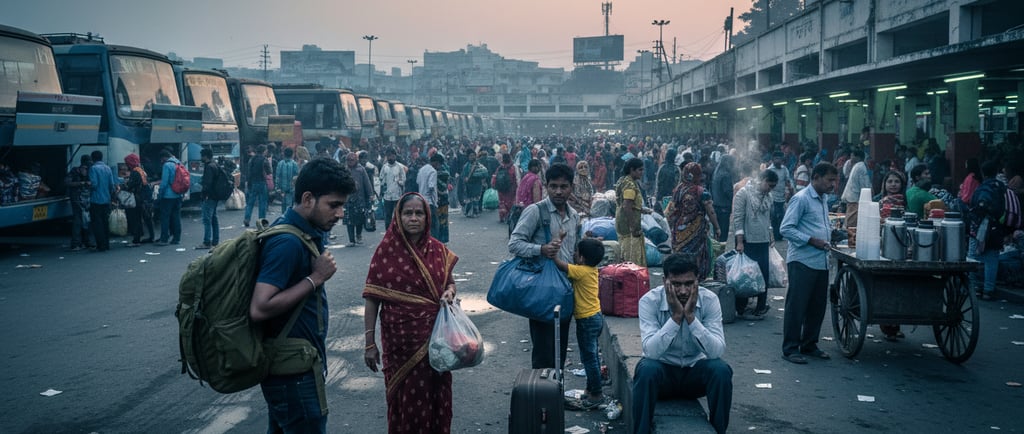
Introduction
In recent years, millions of individuals in South and Southeast Asia have been compelled to migrate due to dire economic circumstances. A report from the UN Human Rights Office highlights various factors, including high inflation, weak labor markets, and diminished access to essential services such as healthcare and education. These elements have combined to create a pressing need for individuals and families to seek better opportunities elsewhere, often through perilous migration routes.
The Economic Hardship Driving Migration
The economic landscape in many South and Southeast Asian nations has become increasingly difficult. High inflation rates have led to skyrocketing prices for basic goods and services, leaving families struggling to make ends meet. Additionally, weak labor markets have resulted in a significant shortage of decent job opportunities. Many workers find themselves trapped in precarious employment situations without the necessary protections or benefits that ensure their safety and well-being. As a consequence, the lack of viable options at home pushes many to consider migration as a last resort in the hope of securing a better future.
The Dangers of Migration
Despite the hope for a better life, the reality for many migrants is often fraught with danger. Escaping into the unknown, they embark on journeys that can involve significant risks, including exploitation and violence. Upon arrival in their destination countries, many find themselves in low-paying jobs that offer no legal protections or labor rights. This precarious situation often leaves them vulnerable to abuse and exploitation, with limited access to essential services that are critical for survival—such as healthcare and education. This cycle reflects a tragic irony: individuals fleeing hardship to find security often end up ensnared in a new set of challenges.
Addressing the Underlying Issues
To tackle this growing crisis, it is essential for governments and international organizations to address the underlying issues that drive migration. Economic policies must be tailored to stabilize markets, control inflation, and create sustainable employment opportunities. Additionally, improving access to quality healthcare and education can help alleviate some of the burdens faced by families. By doing so, nations can foster an environment where individuals feel empowered to build their futures at home, reducing the need to resort to risky migration.
Conclusion
The migration patterns seen in South and Southeast Asia underscore a critical humanitarian issue faced by millions. The intertwining factors of economic hardship, lack of job opportunities, and inaccessibility to essential services are compelling people to embark on perilous journeys. As the global community observes these trends, it becomes increasingly vital to implement solutions that tackle the root causes of migration, ensuring that individuals and families can lead dignified lives without the need to leave their homes.
MSM News
Follow news and analysis accurately.
All rights reserved MSM News © 2025.