
MSM NEWS: The Escalating Displacement Crisis in Mozambique: A Focus on Children
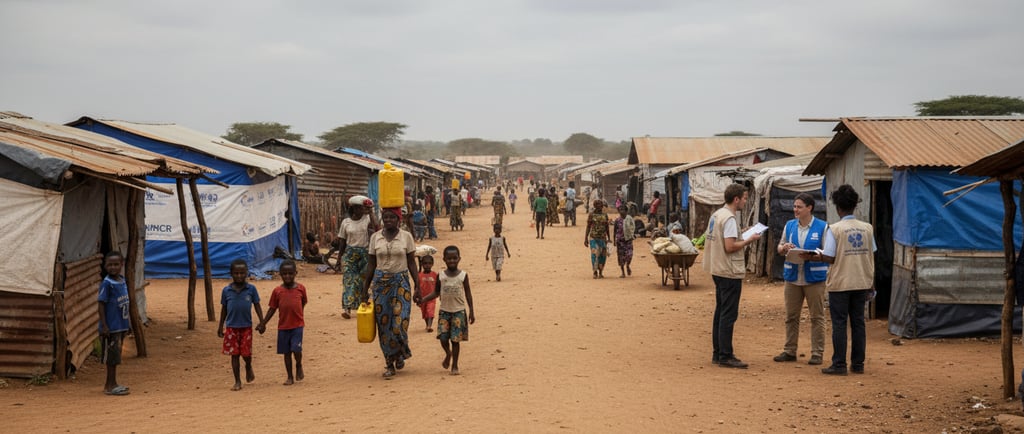
Jihadists have resumed attacks in Cabo Delgado, northern Mozambique, burning villages and killing civilians, according to humanitarian agencies. Thousands of people, many of them unaccompanied children, are seeking refuge in camps for internally displaced persons, where NGOs warn of a lack of food, shelter and psychological support.
12/12/20252 min read
Introduction
The ongoing conflicts in Cabo Delgado, northern Mozambique, have escalated recently, leading to a severe humanitarian crisis. Insurgent attacks, attributed to jihadist groups, have intensified, resulting in devastating consequences for the local population. Among the most affected are unaccompanied children, who find themselves in dire situations as they flee violence and seek safety.
Impact of Insurgent Attacks on Local Communities
Humanitarian agencies have reported a significant increase in insurgent attacks in the region, where villages are being burned, and civilians are killed with alarming frequency. The ongoing violence continues to disrupt the lives of families, forcing thousands of individuals, including many vulnerable children, to abandon their homes in search of safety. This displacement crisis is not just a momentary setback; it has long-term repercussions for those who manage to survive the onslaught.
Children: The Most Vulnerable Victims
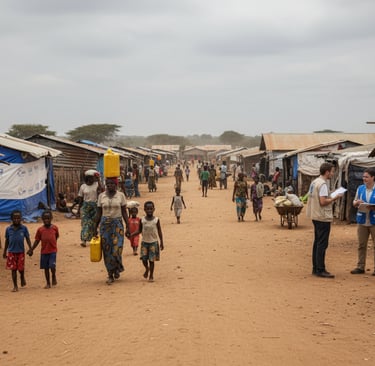
Unaccompanied children represent one of the most tragic aspects of this growing crisis in Mozambique. Stripped of their families and support systems, these children are particularly susceptible to the dangers of displacement. Many are currently residing in overcrowded camps for internally displaced persons (IDPs), where conditions are far from ideal. NGOs warn of the critical shortages of food, shelter, and psychological support in these camps, which creates an environment fraught with risk for these young souls.
Seeking Solutions for a Better Future
The international community, alongside local organizations, must step in to address the escalating crisis and its dire effects on children. Urgent efforts to provide food, medical care, and psychological support are needed to ensure that displaced children can heal and rebuild their lives. Furthermore, initiatives aimed at protecting children and reuniting them with their families should be prioritized. Without these essential steps, the legacy of violence will haunt a generation that deserves the chance to grow in peace.
Conclusion
The worsening insurgent attacks in Mozambique are leaving a significant mark on the lives of children, many of whom are now facing hardship in displacement camps. As the crisis continues, it is imperative that we amplify our efforts to support these vulnerable individuals and work towards a peaceful resolution to the ongoing conflict. The future of these children depends on our collective actions today.
MSM News
Follow news and analysis accurately.
All rights reserved MSM News © 2025.