
MSM NEWS: UNAIDS Report Warns of Biggest Setback in HIV Response in Decades Summary:
In its 2025 World AIDS Day report, UNAIDS warns that 30–40% cuts in international aid are causing the biggest drop in the HIV response in many years, with prevention services and community organizations closing in several low- and middle-income countries. Without new funding and political commitment, millions may be left without essential treatment and prevention.
12/1/20251 min read
Introduction to UNAIDS 2025 World AIDS Day Report
The latest report released by UNAIDS for the 2025 World AIDS Day is a cause for considerable concern. It highlights a staggering prediction: a reduction in international aid for HIV prevention and treatment by 30-40% in various low- and middle-income countries. This unprecedented decrease marks one of the most significant setbacks in the global response to HIV in recent decades.
Impact of Aid Cuts on HIV Prevention Services
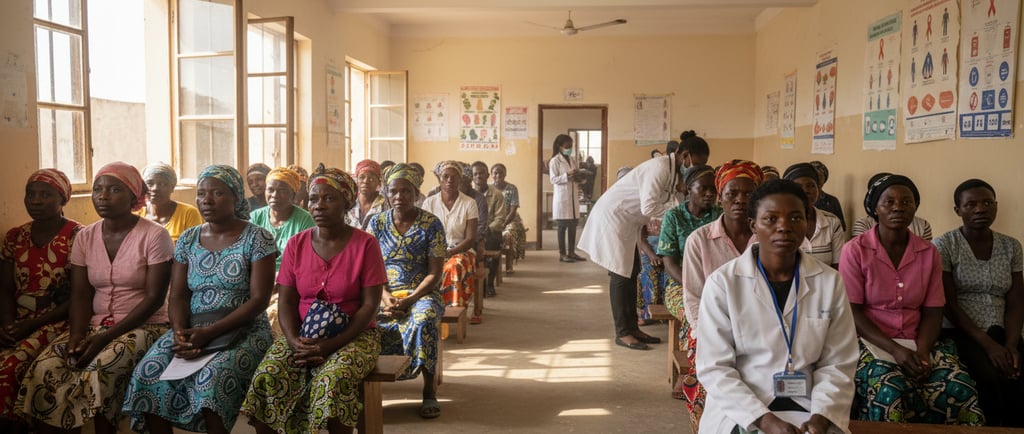
The report outlines that these cuts in funding are not just numbers; they translate into tangible disruptions in critical services. Prevention programs, essential for curbing the spread of HIV, are either closing down or significantly scaling back their operations. Community organizations, which often provide local support and vital health services, are similarly affected. In many instances, their very survival is threatened, leading to a ripple effect that undermines the progress made over the past years. This situation raises urgent concerns about access to necessary healthcare for those most at risk.
The Need for Immediate Action
According to UNAIDS, without immediate new funding and a renewed commitment from political leaders, millions worldwide may find themselves without the essential treatments they require. The diminishing aid could translate into a resurgence of new HIV infections, intricately linked to the lack of accessible prevention services. Now, more than ever, it is crucial for governments and international organizations to mobilize resources and strengthen their efforts in combating the HIV epidemic. The global community must recognize that investments in healthcare and prevention are not merely expenditures but rather critical contributions towards the sustainability of public health.
Conclusion: A Call for Commitment and Funding
The implications of the UNAIDS report could be catastrophic if the current trend is allowed to continue. Advocating for political will and adequate funding must remain a top priority for stakeholders. Innovations in HIV prevention and treatment must go hand-in-hand with sustained financial support to mitigate the risk of millions falling through the cracks of an already strained healthcare system. The fight against HIV is far from over; thus, collective action is imperative if we are to avoid reversing the progress made over the years.
MSM News
Follow news and analysis accurately.
All rights reserved MSM News © 2025.