
MSM NEWS: WHO warns Measles cases surge after 30 million children miss vaccinations
The World Health Organization has warned of a sharp increase in measles cases worldwide after 30 million children missed vaccine doses in recent years. Although measles deaths have fallen by 88% since 2000, some 95,000 people — mostly children — still died last year, exposing weaknesses in immunization programs.
12/1/20252 min read
The Current State of Measles Vaccination
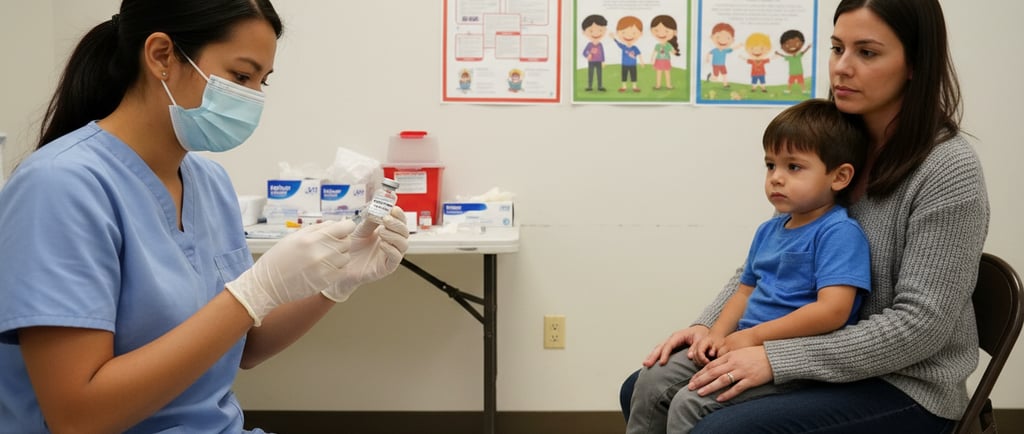
The World Health Organization (WHO) recently issued a troubling warning regarding the resurgence of measles cases across the globe. According to their report, approximately 30 million children have missed essential vaccinations in recent years, creating significant gaps in herd immunity and heightening the risk of outbreaks. This is particularly concerning given that measles, a highly contagious virus, can spread rapidly, especially in populations with low immunization coverage.
Measles Mortality Rates and Immunization Challenges
While it is commendable that measles deaths fell by 88% since the year 2000, the grim reality is that around 95,000 individuals, predominantly children, succumbed to the disease last year. These statistics underline the urgent need to bolster immunization programs globally. The WHO highlights that the decline in vaccination rates can be attributed to various factors, including misinformation, vaccine hesitancy, and disruptions caused by the COVID-19 pandemic. Each missed vaccination not only endangers the child who is unvaccinated but also poses a threat to community health.
Strategies to Address the Measles Outbreak
To combat the alarming spread of measles, coordinated efforts must be implemented at both local and global levels. First, there is a critical need for robust health education campaigns that inform communities about the safety and efficacy of vaccines. Public health authorities should work closely with local organizations to dispel myths surrounding vaccinations and encourage parents to keep up with their children’s immunizations. Additionally, health systems must improve outreach to ensure that underserved populations have access to vaccines.
Furthermore, governments and health organizations need to prioritize funding for immunization programs. These efforts should include monitoring vaccination rates and implementing targeted campaigns in areas where coverage has significantly declined. Strong immunization programs are not only important for preventing measles but also for addressing other vaccine-preventable diseases.
The WHO's warning about the surge in measles cases serves as a wake-up call for countries around the world. Collaborative efforts to increase vaccination rates and improve public health education are paramount to reversing this trend. By ensuring that all children receive their vaccinations, we can protect the health of future generations and significantly reduce the risk of preventable diseases like measles.
MSM News
Follow news and analysis accurately.
All rights reserved MSM News © 2025.